

Quick Summary: Most businesses only recognise they need a digital marketing agency after they’ve already fallen behind. This guide identifies seven specific situations — from running paid ads without a performance framework to consistently active social media that produces no enquiries — that signal a business is losing ground to competitors who invested in professional digital marketing earlier. So, let’s find out when the right time is to hire an expert.
Nobody wakes up and decides to fall behind their competitors online. It happens gradually — a few months of inconsistent posting, a Google Ads campaign that never got properly set up, an SEO plan that kept getting pushed to next quarter. By the time the gap is obvious, the competitors who moved earlier have built an advantage that takes real time and money to close.
The decision to bring in a digital marketing agency is rarely urgent until it’s overdue. Most business owners only make the call when they’re already losing ground — not when they’re ahead and want to stay there.
Before getting into the 7 signs that your business needs a digital marketing partner, it’s worth being clear on what digital marketing actually covers — because many businesses underestimate how many moving parts a proper strategy involves, and why handling it on the side of everything else rarely produces the results the business actually needs. The benefits of hiring a digital marketing agency go well beyond saving time — the right partner compounds results across channels in a way no in-house side effort can match.
Top Signs You Need a Digital Marketing Company for Your Business
1. Your Competitors Are Everywhere Online — And You’re Nowhere
Open an incognito browser. Search for the services you sell. If your competitors appear on page one and your business doesn’t — that’s not a coincidence. That’s a strategy gap.
The businesses showing up consistently in search results, on Instagram, on LinkedIn, and in Google Ads aren’t doing it by accident. They’ve invested in digital marketing services that cover SEO, content, and paid channels simultaneously. While you’re figuring out whether to post on Instagram today, they’re running coordinated campaigns that keep them visible at every stage of the buyer journey.
Visibility online is not a vanity metric. It’s where your next customer decides whether to call you or your competitor.
A full-service digital marketing agency builds that visibility systematically — not through one-off posts or occasional boosts, but through a compounding strategy that keeps you in front of the right people at the right time. Most digital marketing service providers in India are now offering integrated packages precisely because piecemeal efforts no longer move the needle.
2. You’re Running Paid Ads but Have No Idea If They’re Working
You’ve boosted a post. Maybe run a Google campaign. The spend goes out every month — but if someone sat across from you and asked what the return actually was, you couldn’t give a clean answer.
Paid marketing platforms are built to make spending easy. Setting up campaigns that actually perform is a different skill entirely. Without audience segmentation done upfront, a negative keyword strategy, proper conversion tracking, and A/B testing across creatives and landing pages — most ad budgets deliver a fraction of what they should. The waste isn’t always visible on the dashboard, which is exactly the problem.
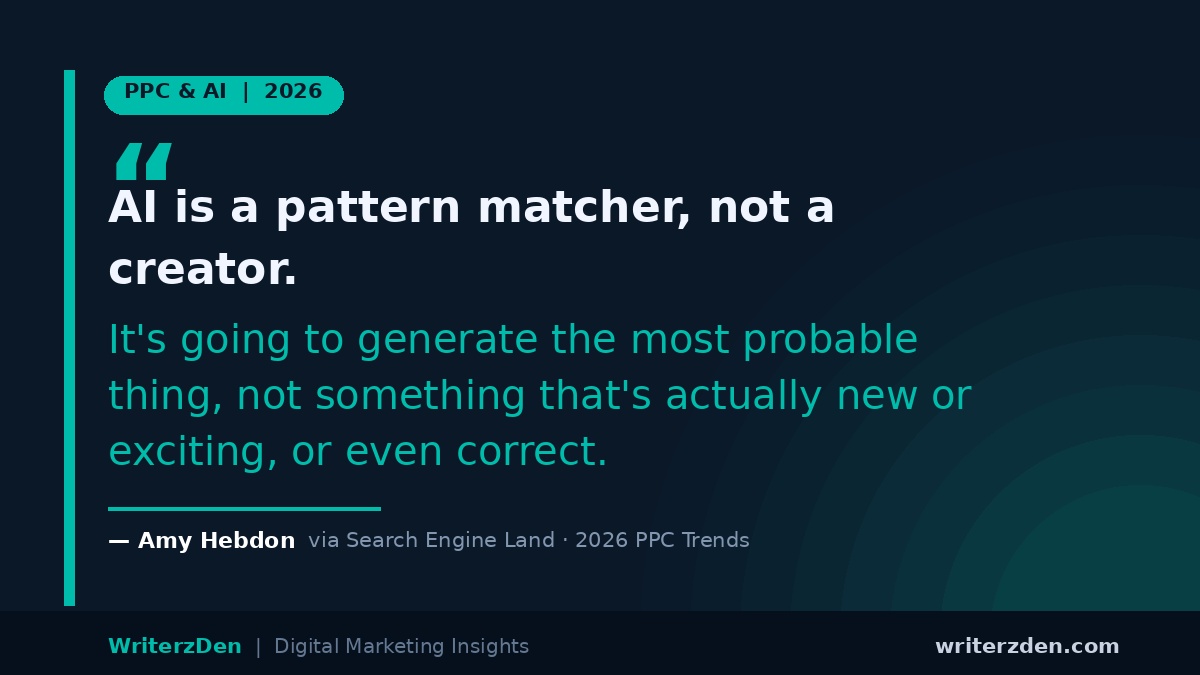
Dedicated performance marketing services approach this through a full-funnel performance marketing framework — not a boosted post. CPL benchmarks get set before the first rupee goes live. Audiences get built before campaigns go out. What’s converting gets scaled. What isn’t gets cut. If none of that describes your current paid marketing setup, you already know what needs to change.
Spending on ads without a performance framework isn’t marketing. It’s a donation to the platform.
3. Your Website Gets Traffic but Generates Zero Leads
The sessions are there. You can see people landing on the site. But the enquiry form stays empty, the phone doesn’t ring, and at the end of the month you can’t point to a single lead the website produced.
Nine times out of ten, this isn’t a traffic volume problem. The wrong audience is arriving on the wrong page with a message that doesn’t match what they came looking for. Or the content is pulling in informational searches that were never going to convert — people doing research, not people ready to buy.
Why organic traffic alone is no longer a reliable growth indicator is worth understanding in full — but the more immediate fix is a conversion rate optimisation audit of the entire journey from first click to contact. Where does intent drop off? What happens between the landing page and the enquiry form? Most DIY setups have a traffic strategy. Almost none have a conversion strategy sitting alongside it.
An agency treats both as separate disciplines that have to work together — and builds the measurement setup to know which one is failing when results don’t come in. Online marketing only produces ROI when the traffic arriving on your site actually matches the intent your pages are built to serve.
4. Your Team Is Doing Marketing on the Side of Everything Else
Look around your business. Someone is managing the Instagram account between client calls. The sales manager writes a LinkedIn post when there’s a spare twenty minutes. The founder approves creative on WhatsApp at 11pm. The work technically gets done — but it’s built around whoever has bandwidth, not around what the business actually needs from its marketing.
Reactive, inconsistent marketing produces a very predictable outcome. The posts go out. The emails get sent. The campaign goes live. And the needle doesn’t move — because none of it was built on a strategy that connected activity to outcome.
Digital marketing for SMEs and startups requires specialist skills across multiple disciplines running in coordination. Paid media, content marketing, social, and organic search don’t work well in isolation, and they don’t get better when they’re each being handled by someone whose primary job is something else entirely.
What in-house DIY marketing almost always lacks:
- A documented strategy with measurable objectives
- Dedicated time — not borrowed attention from other roles
- Cross-channel coordination between SEO, paid, social, and content
- Data analysis that informs the next month’s decisions
- Accountability — someone whose job is specifically to deliver marketing results
If any three of these are missing from your current setup, you already have your answer.
5. Not Sure Whether to Focus on Brand Building or Lead Generation
Walk into a lot of businesses and ask what marketing is supposed to achieve this quarter. You’ll get two different answers from two different people in the same room. Some want brand recognition. Others want enquiries this month. The result is a strategy trying to do both without the budget, clarity, or channels to do either properly.
The confusion between brand awareness and lead generation isn’t just philosophical — it’s expensive. They need different content formats, different platforms, different timelines, and completely different success metrics. Blending them produces mediocre results on both fronts and makes it impossible to evaluate whether marketing is actually working.
Getting this clarity is one of the first things a good digital marketing company does — not because one goal is better than the other, but because the entire strategy, budget split, and measurement framework changes depending on which one you’re actually chasing.
If your marketing team can’t answer ‘are we building brand or generating leads this quarter?’ — you need external strategic clarity before you need more content.
6. Your Social Media Is Active but Not Working
You’re posting three times a week. The content looks decent. The likes come in. But no one is enquiring, no one is clicking through, and the followers you’re gaining don’t look anything like your actual buyers.
Active social media and effective social media are two very different things. The gap between them is strategy — specifically, a social media marketing strategy built around audience behaviour, platform algorithm understanding, and content that serves the buyer journey rather than just filling a grid. Most businesses don’t realise this until they’ve spent twelve months posting consistently and have nothing commercial to show for it.
There’s also a dimension most businesses completely miss: how social platforms are now functioning as search surfaces — where buyers actively search for brands, services, and reviews before making contact. Being active on social without being discoverable on social are two entirely different problems, and most agencies only solve the first one.
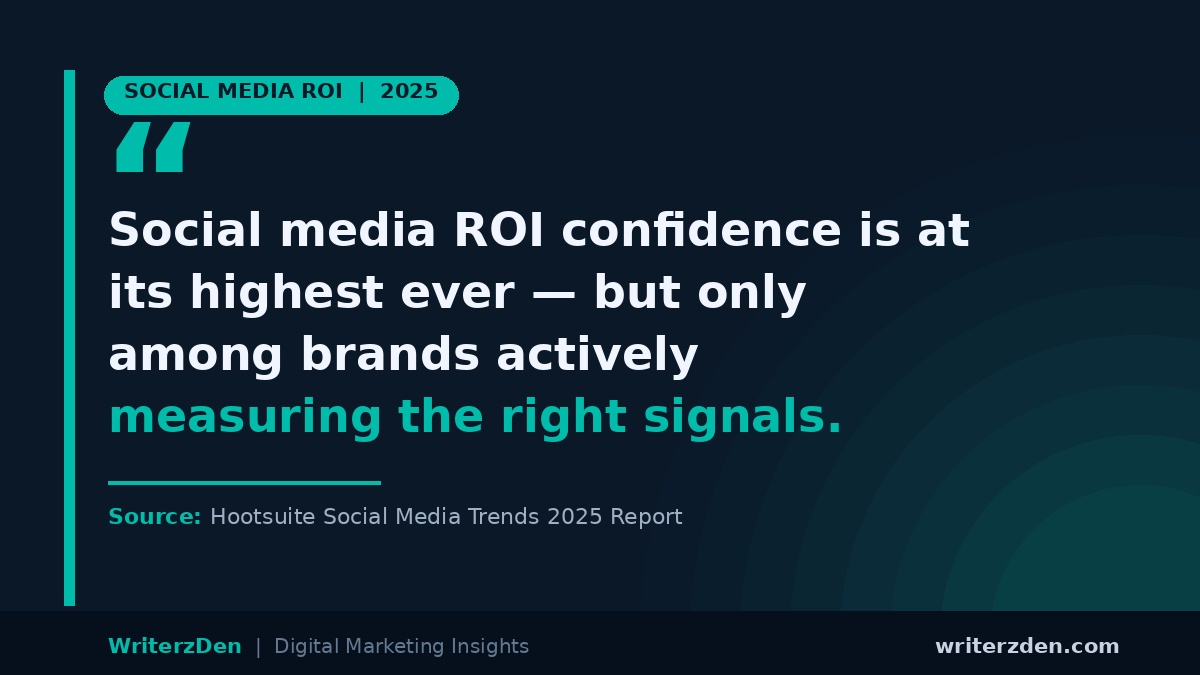
Most businesses at this stage are measuring the wrong things. They’re tracking followers and engagement rate without looking at profile visits, DM enquiries, save rate, or audience quality. Whether you’re working with a social media marketing agency or handling it in-house, a specialist social media campaign management approach reorients the entire measurement framework — and then rebuilds the content strategy around what that data actually says.
Consistent posting is not a strategy. It’s a schedule. Strategy is what makes the schedule produce results.
7. You Know You Need SEO but Keep Pushing It Back
Search visibility has been on the to-do list for eighteen months. You know it matters. Everyone says it matters. But between everything else, it never becomes a priority — and meanwhile, every month that passes is a month your competitors are building the domain authority and content depth that will take you even longer to overcome. Bringing in a dedicated SEO agency is often the fastest way to stop that gap from widening further.
SEO is the one digital marketing channel where delay compounds negatively. It takes time to work in your favour, which means starting later puts you further behind — not just at the same starting point. A business that invests in organic search today will see traction in 4 to 6 months. A business that starts in 6 months will reach the same point in 10 to 12 months from now.
Digital marketing for startups and SMEs particularly depends on organic visibility because paid channels get expensive at scale. Building organic search authority is the long game — but it’s the one that keeps delivering after the initial investment, without requiring ongoing spend to sustain it. That means building pillar and cluster content structures that signal topical authority to search engines — not just publishing individual posts and hoping they rank.
What to Look for Before You Sign With an Online Marketing Agency
Knowing you need an agency is step one. Picking the right one is step two — and it’s where a lot of businesses make a second expensive mistake.
The best digital marketing agencies in India don’t pitch first and ask questions later. Before they propose anything, they want to understand your margins, your average deal value, what you’ve already spent on marketing and what it produced, and where the attribution breaks down. Any agency that sends a proposal within 24 hours of a first conversation is sending you a template, not a strategy.
Before signing with any digital marketing company, ask them these five questions directly:
- What does the first 90 days actually involve — what gets built, what gets measured, and what number tells you it’s working?
- Which metrics do you report on — and why those specifically over everything else?
- Have you worked with a business at our stage or in our category before — and what did the results look like?
- What do you need from our side to do strong work — creative assets, platform access, approval turnaround?
- If the results aren’t where they should be at 90 days — what happens next?
If you’re still weighing up options, understanding how top digital marketing companies are evaluated gives you a sharper lens for the conversation — particularly when it comes to separating agencies that pitch well from ones that actually deliver.
Pay attention to how they handle question five. An agency that gets defensive or vague when you ask about underperformance is showing you exactly how that conversation will go six months into the retainer.
About WriterzDen
WriterzDen is a full-service digital marketing agency based in Ahmedabad (India), established in 2014. We work with SMEs, startups, and growing businesses across India that want marketing built around actual business outcomes — not monthly reports that look good and change nothing. If any of the signs in this article sound like your current situation, let’s have an honest conversation about what a proper digital marketing strategy would look like for your business.
Frequently Asked Questions
1. How do I know if it is time to hire a digital marketing agency?
When marketing keeps sliding down the priority list because no one owns it properly, that’s usually the clearest signal. Competitors showing up in searches you should own, paid campaigns running without any documented benchmark, a website that gets visitors but no enquiries — any one of these on its own is worth addressing. All three together means the answer is already obvious.
2. What does a digital marketing agency actually do?
Most people think of the visible output — social posts, Google Ads, blog articles. That’s the execution layer. What actually determines whether any of it works is what sits underneath: how channels are coordinated with each other, where budget goes based on where your buyers actually spend time, and whether results get tracked against revenue or just reach. The agencies worth working with are the ones who build that layer first.
3. Is it worth hiring a digital marketing agency for a small business?
For most small businesses and SMEs, yes — but scope matters more than size. Running paid, SEO, content marketing, and social in-house requires four different specialisations running simultaneously. An agency bundles that without the overhead of four salaries. The mistake most businesses make is buying too much too early. Start with two channels, get them working, then expand.
4. What should I budget for a digital marketing agency in India?
Two to three channels covered properly typically costs ₹25,000 to ₹50,000 per month at the SME level. A full-service engagement across SEO, paid, social, and content runs from ₹75,000 to ₹2,50,000 depending on the agency’s scale. The monthly number matters less than the cost per acquired customer — if the engagement is producing customers at a cost that makes commercial sense, the retainer is worth it regardless of the absolute fee.
5. What’s the difference between a digital marketing agency and a consultant?
A digital marketing consultant advises and often works project by project. An agency runs the strategy and the execution on an ongoing basis. If you need someone to audit your current setup or build a channel plan, a consultant is the right structure. If you need consistent output across multiple channels month after month, an agency makes more sense.
